Ageing is biology.Biology can be read.
We study how the human body ages — its energy systems, its repair cycles, its clocks — and we write plainly about what the evidence does and does not support. Natural means first: food, light, sleep, movement, breath, and the botanicals of the Indian pharmacopoeia, read against the modern biology of ageing.

Metabolism & fasting
Feeding and fasting are the levers that swing nutrient-sensing pathways — insulin signalling, mTOR, AMPK. We look at what eating windows, protein timing and glycaemic load appear to do in humans, and where the evidence is still animal-only.
Sleep & circadian order
Almost every repair process is clocked. Morning light, meal timing and a stable sleep window are the cheapest interventions available, and among the best evidenced — which is why we treat them as the floor, not an afterthought.
Movement & strength
Muscle is an endocrine organ and a glucose sink; aerobic capacity tracks with healthspan more reliably than almost any blood marker. We cover loading, recovery and the specific case of Indian sedentary work-life.
Botanicals & adaptogens
Ashwagandha, amla, turmeric, brahmi, guduchi — long used, unevenly studied. We report dose, preparation, interaction risk and trial quality, and we say so when a herb is popular but thinly evidenced.
Ayurveda, read carefully
The classical texts encode centuries of observation about routine, digestion and constitution. We treat their claims as hypotheses worth testing rather than settled fact — and never as a substitute for diagnosis.
Biomarkers & testing
What a lipid panel, an HbA1c, a fasting insulin or an hs-CRP actually tells you — and what it does not. Measurement literacy first; only then does anyone need a protocol.



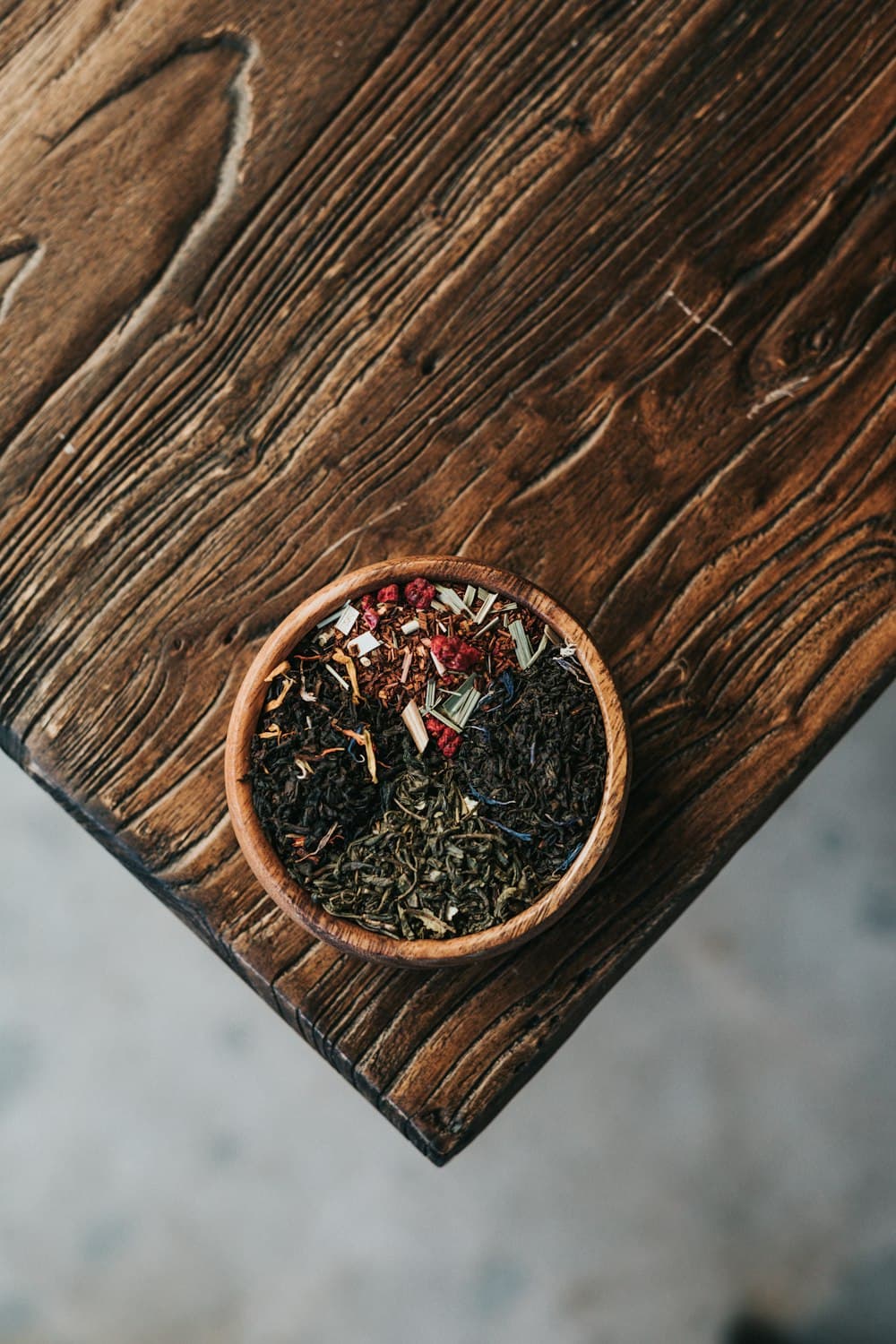
Understand the mechanism before you touch the dial.
Baseline. Establish where you actually are — sleep, intake, movement, and the small panel of blood markers a physician can order anywhere in India.
Decode. Read those numbers as systems, not verdicts: energy production, nutrient sensing, inflammatory load, circadian order.
One change at a time. A protocol that alters six variables teaches you nothing. Change one, hold it long enough to matter, keep a written record.
Re-test, then decide. Keep what moves the marker and the way you feel. Drop the rest without sentiment — including anything we published.


The dispatch
One letter, most weeks: a mechanism explained properly, a paper read closely, and one thing worth trying — with its evidence grade attached. No urgency, nothing to buy.